

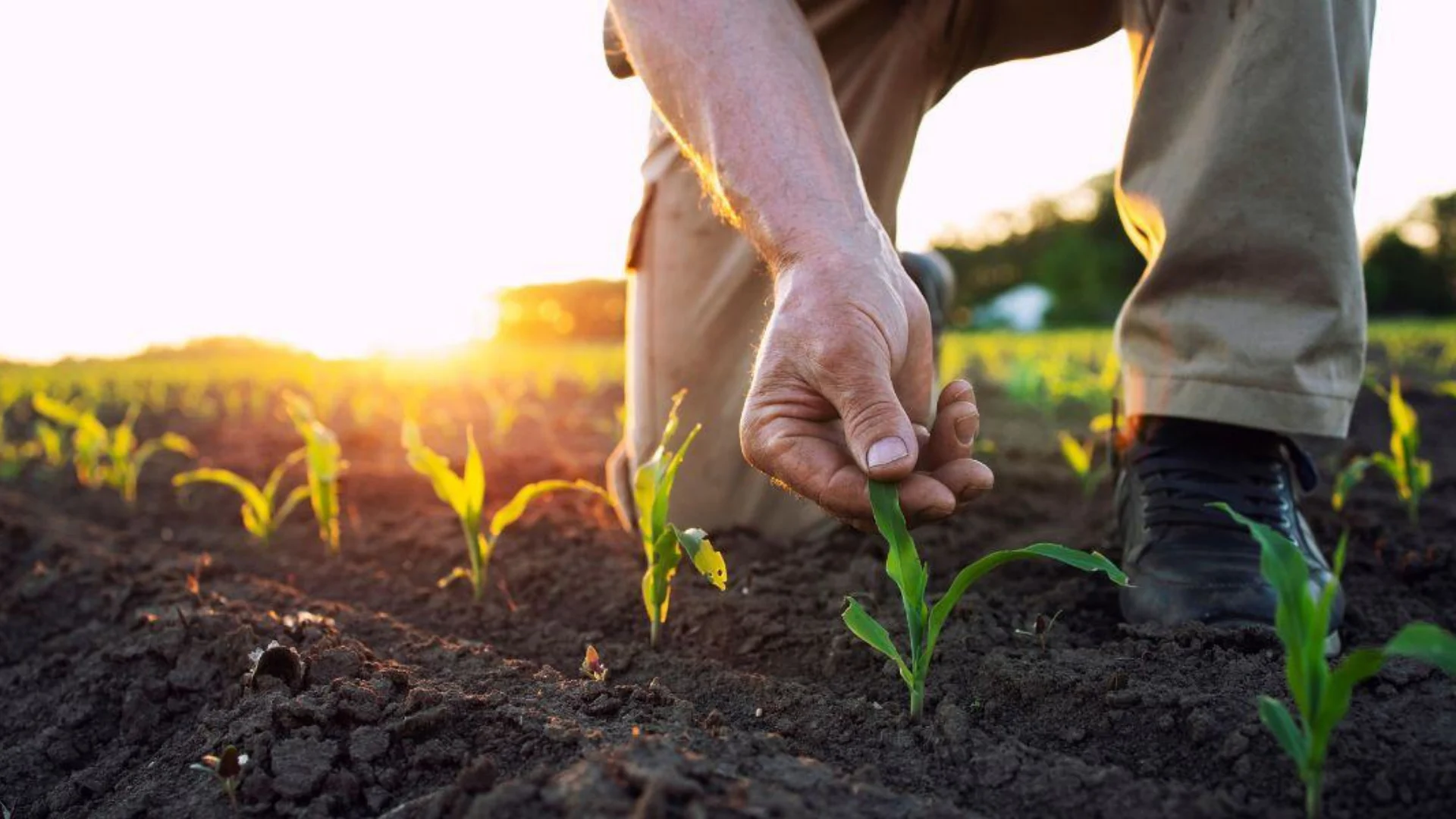

More than 40% of Canada’s land is used for agriculture, and the sector continues to be one of the country’s economic pillars. Farms, greenhouses, and food production systems don’t just feed Canadians, they supply global markets. This creates a constant demand for skilled graduates in agriculture and horticulture.
For international students, this demand is more than just a career opportunity. It can be a doorway to permanent residency. When paired with a study program in these fields, the path to PR becomes clearer and often faster than in many other disciplines.
Why Agriculture and Horticulture Matter
Canada is facing a serious labour gap in food production and farm management. According to the Canadian Agricultural Human Resource Council, the sector could face shortages of 114,000 workers by 2025. The horticulture industry, covering fruits, vegetables, greenhouse crops, and landscaping, is also growing, with provinces like Ontario, Saskatchewan, and British Columbia needing skilled professionals.
That means students who specialize in these fields don’t just graduate with knowledge, they graduate with high demand for their skills.
How This Links to Permanent Residency
When applying for PR, one of the strongest factors is your occupation. Canadian provinces give preference to industries where labour shortages are high. Agriculture and horticulture fall directly into this category.
Here’s how studying in these areas helps with PR:
- Post-Graduation Work Permit (PGWP): Completing a diploma or degree allows you to gain Canadian work experience in the field.
- Provincial Nominee Programs (PNPs): Provinces like Saskatchewan, Manitoba, and Alberta often have streams dedicated to agriculture workers and graduates.
- Express Entry Support: Skilled work in agriculture can add valuable points to your Comprehensive Ranking System (CRS) score.
In simple words, by choosing agriculture or horticulture, you are studying in a field that Canada already wants to retain talent in.
Popular Programs to Consider
Many universities and colleges in Canada offer programs that connect directly to the sector:
- University of Saskatchewan: Strong in agricultural sciences, soil management, and crop research.
- University of Guelph (Ontario): Known for its horticulture and food science programs.
- Lakeland College (Alberta): Offers practical training in crop technology and agribusiness.
- Olds College (Alberta): Focuses on horticulture, turfgrass management, and smart agriculture.
- Dalhousie University (Nova Scotia): Programs in agricultural economics and plant sciences.
Each of these institutions provides graduates with the right background to apply for jobs that meet PR program criteria.
Provinces That Value Agriculture Graduates
Some provinces place a strong emphasis on agriculture and horticulture when nominating candidates for PR:
- Saskatchewan: Offers specific streams for farm workers and graduates with agri-related skills.
- Manitoba: Seeks candidates in food production and horticulture through its Skilled Worker streams.
- Alberta: Prioritizes agri-food jobs in its Provincial Nominee Program.
- Prince Edward Island (PEI): Often recruits for farm and greenhouse-related roles.
Studying in these provinces increases your chances of receiving a nomination for PR.
The Advantage Over Other Fields
While many students choose popular areas like business or IT, competition for PR in those categories is high. Agriculture and horticulture graduates, however, face less competition and higher demand. That means your chances of receiving a job offer and eventually a PR nomination are stronger.
It’s like joining a queue where fewer people are waiting, the line moves faster, and you get to your goal sooner.
Building a Long-Term Future
Choosing to study agriculture or horticulture is not only about securing PR. It’s also about entering a field with stability and growth. From farm management and greenhouse operations to food technology and crop innovation, graduates have multiple career paths. And with Canada’s investment in sustainable farming, the future of this industry looks even brighter.
Final Word
If your goal is to study in Canada with an eye on permanent residency, agriculture and horticulture provide a practical and rewarding pathway. By enrolling in recognized programs, gaining work experience, and applying through provincial streams, students often find their PR journey smoother than in other fields.
For those who want education and opportunity to go hand in hand, agriculture and horticulture might just be the golden ticket.